What Sets Dental Implants in Bakersfield CA Apart From Other Options?
@rylanovuu650
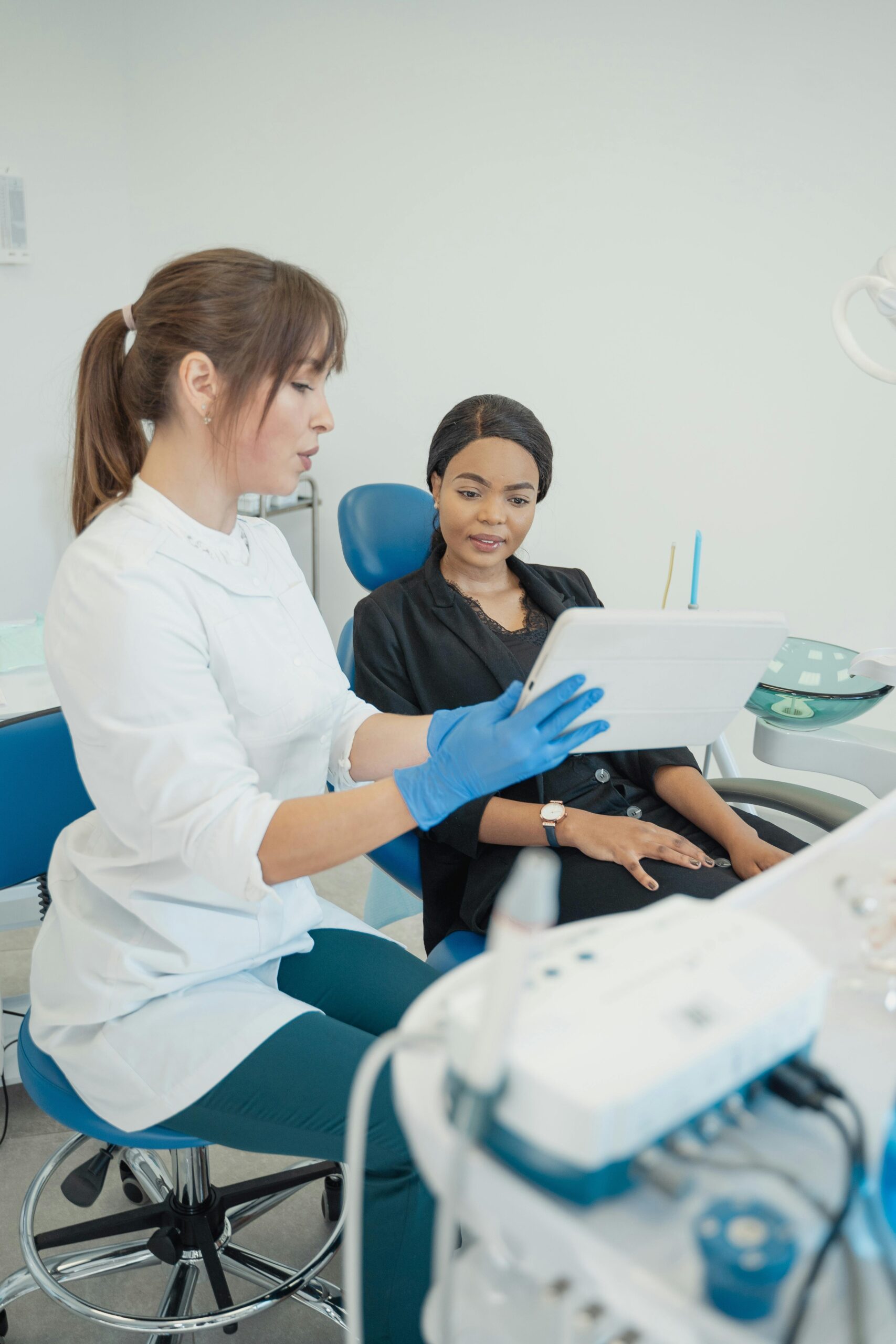

Losing a tooth changes more than a smile. It affects how food feels, how words land, and how much confidence a person carries into ordinary moments. I have seen people adapt by chewing on one side for years, avoiding photos, or smiling with a closed mouth so long that the habit becomes second nature. By the time they start comparing tooth replacement options, they are rarely deciding between products. They are deciding how they want to live.
That is where dental implants tend to separate themselves from bridges and dentures. For many patients exploring Dental Implants Bakersfield CA, the appeal is not just that implants replace missing teeth. It is that they do it in a way that more closely matches how natural teeth function over time. The distinction matters, especially when people want a solution that feels stable, preserves bone, and does not force daily compromises.
The better question is not whether implants are “better” in every situation. The better question is what makes them different, and why that difference matters in real life.
The core difference starts below the gumline
A bridge and a denture replace the visible part of a tooth. A dental implant replaces the root as well.
That sounds technical, but it has practical consequences. A natural tooth is anchored in bone. When that tooth is lost, the bone in that area no longer receives the same stimulation from chewing. Over time, the body begins to resorb it. This process can be gradual, but it is real. The jawbone does not hold its shape just because a false tooth sits on top of the gum.
An implant is placed into the jawbone and, after healing, supports a crown, bridge, or even a full arch restoration. Because it integrates with the bone, it can help maintain the structure of the jaw in a way other options generally cannot. That is one of the strongest reasons implants stand apart. They do not simply cover the problem. They address what was lost beneath the surface.
For patients, this often becomes meaningful years later. A bridge may look excellent on day one. A removable denture may restore a smile quickly. But when the conversation turns to long-term bone support, bite stability, and preserving the shape of the mouth and lower face, implants enter a different category.
Why stability changes the daily experience
The average person is not thinking about biomechanics. They are thinking about steak, apples, tortillas, crusty bread, a business lunch, or a family dinner where they do not want to worry about movement, paste, or slipping.
That is where implants make a strong impression. Because they are fixed in place, they feel more secure than removable dentures. They also do not rely on neighboring teeth the way a traditional bridge does. Patients often describe the difference in plain language. They say food tastes more normal. Speech feels less self-conscious. They stop planning around their teeth.
A lower denture is where these comparisons become especially sharp. Conventional lower dentures can be challenging because the lower jaw offers less surface area and the tongue is constantly in motion. Some patients do very well with them, especially if the ridge is favorable and expectations are realistic. Others never truly adapt. Even small movements can become a daily irritation.
Implant support changes that equation. In many cases, even a limited number of implants can dramatically improve retention for a denture. The improvement is not subtle for the right candidate. It can turn a frustrating appliance into something dependable.
Bridges still have a place, but they ask more of neighboring teeth
A dental bridge can be an excellent option in the right case. It is a time-tested treatment, and in many offices it remains a practical solution for a single missing tooth. But bridges come with a trade-off that deserves honest attention.
To place a traditional bridge, the teeth on either side of the gap usually need to be prepared to support the restoration. That means reducing healthy tooth structure if those adjacent teeth are otherwise intact. Sometimes that is perfectly reasonable, especially if those teeth already have large fillings or crowns and would benefit from coverage anyway. Other times it feels like borrowing trouble from healthy teeth to solve a problem created by one missing tooth.
Implants, by contrast, often allow replacement of the missing tooth without involving the neighbors. That independence is one of their biggest strengths. Each tooth can stand on its own again. For patients who have kept surrounding teeth healthy, that matters.
There is another practical point. Bridges can be beautifully made, but they can also make cleaning more demanding. Flossing under a bridge takes technique and consistency. Some patients are meticulous and do well for years. Others struggle with it, and decay or gum inflammation eventually develops around the supporting teeth. With an implant crown, cleaning https://www.google.com/maps?cid=17479708580987630325 is often more intuitive because the restoration emerges through the gum much like a natural tooth.
Dentures solve some problems quickly, but they do not solve all of them
Dentures are not obsolete, and they should not be dismissed. They remain an important treatment choice for many people because they can restore appearance and basic function at a lower initial cost, with less surgery, and often in a shorter timeline. For certain medical histories, anatomy, or financial situations, they may be the most appropriate option.
Still, removable dentures have limitations that patients should understand clearly before committing to them. They sit on soft tissue. They can loosen as the ridge changes. Pressure points can develop. Sore spots may require adjustments. Chewing efficiency is often reduced compared with fixed teeth, and some foods remain difficult no matter how carefully the denture is made.
This is often the moment when patients compare what seems affordable now with what will feel sustainable later. I have spoken with many people who were initially focused only on replacing visible teeth, then reconsidered after learning how jawbone changes can alter denture fit over time. Relines help. New dentures help. But neither reverses the biology behind the loss of support.
That is one reason Dental Implants Bakersfield CA draws so much interest from people who want an option with fewer ongoing compromises.
The long view tends to favor implants
A tooth replacement decision should be judged over years, not weeks.
Implants usually involve more planning, more healing, and a higher upfront fee. That is true. But they often reward patience. When treatment is well planned and maintenance is consistent, implants can serve as a durable foundation. They are not maintenance-free, and they are not invincible, but they are designed to function as a long-term replacement rather than a removable substitute.
Patients sometimes ask whether an implant “lasts forever.” No responsible clinician should promise that. Too many factors shape the outcome, including bone quality, bite forces, smoking history, diabetes control, gum health, home care, and whether the patient grinds or clenches. What can be said, fairly, is that implants have a strong track record when they are properly selected, placed, restored, and maintained.
That long view also influences value. A less expensive option at the start can become less economical if it requires repeated remakes, repairs, or treatment on adjacent teeth. Cost should never be ignored, but it should be weighed over the lifespan of the decision.
Bakersfield patients often ask practical questions first
People shopping for Dental Implants Bakersfield CA usually arrive with a few direct concerns. They want to know whether the process hurts, how long it takes, whether they will be without a tooth during healing, and whether they have enough bone.
Those are sensible questions. The answers vary by case.
Discomfort after implant placement is often more manageable than patients expect, particularly for a straightforward single implant. It is still surgery, so tenderness, swelling, and a short recovery period are normal. But many patients compare it favorably to a difficult extraction. More complex cases, especially those involving bone grafting or multiple implants, require a broader conversation about healing and downtime.
The timeline also varies. Some patients can have an implant placed soon after extraction. Others need grafting and a healing period first. In certain cases, a temporary tooth can be worn during healing, though the exact approach depends on location, bite pressure, and stability. A front tooth case demands different cosmetic planning than a molar hidden in the back.
These are not sales details. They are treatment details. And the quality of those details often determines whether a result simply looks acceptable or feels genuinely right.
Not everyone is an ideal implant candidate on day one
One of the healthiest signs in a consultation is when the provider explains who should wait, who needs preparation, and who may be better served by another option.
Implants depend on biology. If the gums are inflamed, if active periodontal disease is untreated, or if a patient has neglected oral care for years, placing an implant before stabilizing the mouth is poor judgment. The same applies to certain uncontrolled medical conditions. Smoking also complicates healing and raises risk, especially in grafted cases or full-arch treatment.
Bone quantity and bone quality matter too. Some patients have enough volume for straightforward placement. Others need grafting. That does not automatically disqualify them, but it does add complexity, time, and cost.
This is one area where experience and restraint are more valuable than enthusiasm. A good implant plan is not the fastest possible path to placement. It is the one most likely to remain stable years later.
What tends to make implant cases succeed
There is no single secret, but the best outcomes usually share the same fundamentals:
- Careful diagnosis, including imaging and bite analysis.
- Healthy gums and controlled inflammation before surgery.
- Precise placement that respects bone, tissue, and final crown position.
- Thoughtful restoration design so the implant is cleanable and functional.
- Consistent maintenance at home and in the dental office.
None of these points sound glamorous, yet they are what separate predictable work from disappointing work. A beautiful crown on a poorly positioned implant is still a compromised result. So is an implant placed in a mouth where gum disease was never truly controlled.
Aesthetics are different in the front of the mouth
Replacing a back tooth and replacing a front tooth are not the same challenge.
In the back, strength and function usually dominate the discussion. In the front, the eye notices everything, the contour of the gumline, the symmetry of the smile, the way light reflects off the crown, even tiny differences in translucency. Implant dentistry in the cosmetic zone demands a different level of planning.
The condition of the bone and gum tissue after tooth loss matters enormously here. If the tooth has been missing for a long time, the ridge may have collapsed enough that rebuilding support becomes part of treatment. Sometimes patients assume an implant will automatically create a perfect cosmetic result. It may not, especially if tissue loss is advanced before treatment begins.
That does not mean implants are a poor choice in visible areas. It means they require precise expectations and, often, a staged approach. When those details are respected, the result can be remarkably natural.
The maintenance story is often misunderstood
Some people hear “implant” and assume it means carefree. That is not accurate.
Implants do not get cavities, but the tissues around them can still become inflamed. Plaque still matters. Hard buildup still matters. A heavy bite or nighttime grinding can still damage components or the crown. Patients who ignore maintenance can lose implants just as people can lose natural teeth through neglect.
The difference is that implant maintenance tends to feel worthwhile because the restoration is fixed, stable, and comfortable. Patients are often more motivated to protect something that feels close to natural function. Regular checkups remain essential. So do proper home care tools, especially when multiple implants or implant bridges are involved.
In practice, the people who do best are not perfectionists. They are consistent. They keep appointments. They ask questions early when something feels off. They treat implants as part of their health, not as hardware that can be forgotten.
Cost matters, but so does what the fee includes
A brief online search for Dental Implants Bakersfield CA can be confusing because advertised prices often describe only one piece of treatment. Patients deserve clarity on what is being quoted. Is it the implant itself, the abutment, the crown, imaging, extraction, grafting, temporaries, sedation, or follow-up visits? These can be bundled or separate depending on the office and the complexity of care.
That is why comparing “price per implant” alone rarely tells the full story. A lower quote may reflect a simpler case, fewer included services, or a restoration plan that is not directly comparable. The smarter approach is to understand the complete treatment pathway and what contingencies may arise.
For many patients, the more relevant financial question is not “What is the cheapest way to fill this space?” but “What approach gives me the best balance of function, appearance, longevity, and maintenance for my situation?” The answer is personal. There is no universal formula.
When another option may be more appropriate
The strongest implant advocates I know are also the first to say that implants are not always the right answer.
A small missing space next to heavily restored neighboring teeth may be a perfectly reasonable bridge case. An older patient with medical complexity, limited bone, and no interest in surgery may be happier with a well-made removable prosthesis. Someone with severe clenching and repeated breakage across the mouth may need comprehensive bite management before any definitive choice is made.
Judgment matters more than ideology. Dentistry goes wrong when treatment becomes dogma instead of problem-solving. The best recommendation is the one that matches anatomy, health, budget, expectations, and willingness to maintain the result.
Signs a patient is likely to appreciate the advantages of implants
Not every patient values the same things. Some are focused on the shortest path to having teeth again. Others care most about permanence, chewing comfort, or keeping adjacent teeth untouched. In my experience, implants tend to resonate most strongly with patients who want the following:
- a fixed option that does not come in and out
- support for jawbone preservation over time
- freedom from altering healthy neighboring teeth
- stronger chewing confidence for everyday foods
- a solution designed for long-term function
Those priorities do not automatically mean implants are feasible, but they often explain why patients keep circling back to them even after hearing about simpler alternatives.
Why local evaluation matters more than generic advice
No article can tell a person whether implants are right for their mouth. That decision depends on examination findings, X-rays or 3D imaging, bite analysis, gum health, and a candid conversation about goals. What one patient hears as a straightforward case may, clinically, be a grafting case. What seems expensive at first may be the more conservative choice over ten or fifteen years.
For people considering Dental Implants Bakersfield CA, the real advantage is not just access to the treatment itself. It is access to a tailored plan that accounts for your bone, your smile line, your bite, your medical history, and your preferences. Those details are what make implant treatment successful. They are also what make it different from choosing a generic replacement option off a menu.
Dental implants stand apart because they replace more than appearance. They restore support, stability, and a sense of normalcy that other options may only approximate. Bridges and dentures still have important roles, and there are cases where they are absolutely the better fit. But when a patient wants a replacement that behaves more like a natural tooth, protects neighboring teeth, and helps preserve the foundation beneath the gums, implants occupy a category of their own.
That distinction is not marketing language. It is what people feel when they stop thinking about the missing tooth and start using their mouth normally again.
Smyle Dental Bakersfield
2016 E St, Bakersfield, CA 93301, United States
+16614939040
FAQ About Dental Implants Bakersfield CA
What is the downside of a dental implant?
The main downsides of dental implants involve high financial costs, surgical risks, a lengthy healing process, and the potential for long-term complications.
How much does a full set of implants usually cost?
A full set of dental implants (covering both the upper and lower arches) typically ranges from $6,000 to $90,000+, depending heavily on the type of treatment, materials used, and whether the teeth are fixed or removable.
Can I have all my teeth pulled and get implants?
Yes, you can have all your teeth pulled and replaced with dental implants. Instead of placing a separate implant for every single tooth (which is costly and time-consuming), dentists typically use full-arch systems.